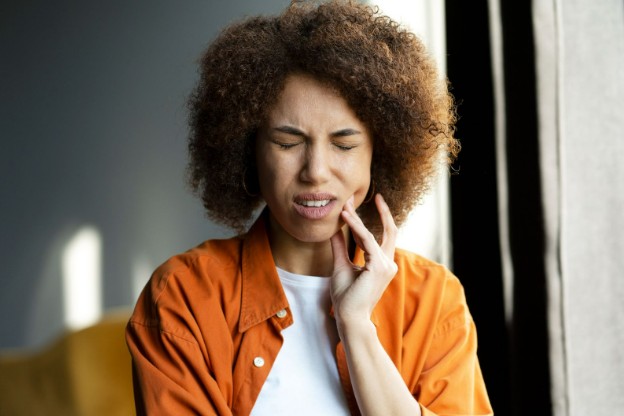
If you are researching Botox for TMJ, you are probably past the point of “wait and see.” Jaw pain has a way of wearing you down. It is not always dramatic, either. Sometimes it starts as a tight feeling in your cheeks after a stressful day. Sometimes it shows up as headaches that seem to come from nowhere, or a jaw that feels tired when you chew. Many people do not even realize they clench until they notice the symptoms stacking up. Morning soreness. Temple pressure. A jaw that never quite relaxes.
When those patterns become your normal, it makes sense to look for something that is effective but not invasive. Botox has become one of the most talked-about options in TMJ care for a reason. For the right patient, it can be a modern, minimally invasive way to reduce chronic muscle tension, relieve pain, and make daily life more comfortable again, without surgery and without a long recovery.
At Novi Sleep & TMJ, Botox is not treated like a trend or a quick add-on. It is one tool we use when your symptoms point to muscle-driven TMJ dysfunction and when it fits your goals.
Why Botox Can Help TMJ Pain
TMJ pain is often blamed on the jaw joint itself, but in a lot of cases, the joint is not the only problem. The muscles that move your jaw do a huge amount of work every day, and if they are overactive, they can keep the entire system irritated. The masseter muscles at the jawline and the temporalis muscles at the temples are especially common culprits. When those muscles clench too hard, too often, or for hours while you sleep, they can become inflamed, sore, and fatigued. That tension can also pull on the joint and surrounding tissues, creating pain that feels deep, stubborn, and hard to pinpoint.
Botox works by calming muscle overactivity. The goal is not to “freeze” your face or make your jaw feel weak. The goal is to reduce the constant contraction that keeps the muscles in a chronic stress state. When the muscles relax, many people notice that their jaw feels less tight, headaches become less frequent, and chewing or talking feels easier.
Signs Botox Might Be Worth Considering
Not all jaw pain responds the same way, which is why evaluation matters. Botox tends to be most helpful when clenching and muscle tension are the main drivers. If you wake up with a sore jaw, feel tightness along the jawline or temples, or notice headaches that flare during stressful weeks, those are patterns that often point to muscle involvement. The same is true if you have tried the basics, like avoiding chewy foods or wearing a nightguard, but the soreness still creeps back in.
Some people also notice that their jaw pain is oddly inconsistent. It is not always worse after eating. It is worse after concentrating, driving, or sitting at a desk. That is often a clenching habit you are not aware of, and Botox can help interrupt that cycle.
What the Experience Is Actually Like
Most people have the same question before they book: what happens during treatment, and what does it feel like?
It starts with a TMJ-focused evaluation. We look at how your jaw moves, where you are tender, whether you are showing signs of grinding, and how your symptoms behave throughout the day. That matters because Botox is most effective when it is placed with a clear understanding of which muscles are overworking and why.
If Botox is a good fit, the injections are performed in targeted areas, most commonly the masseter muscles and sometimes the temporalis muscles. The appointment is usually quick. Patients generally describe it as manageable, more like a brief pinch than anything intense. You can go back to your day afterward. Some people feel mild soreness in the injection area, but downtime is typically minimal.
When You Might Notice a Difference
Botox is not immediate, and that is normal. Many patients start noticing changes within a few days, with results building over one to two weeks. The first improvement is often a quieter jaw. Less tightness. Less pressure at the temples. Less of that clenched feeling when you realize you have been holding tension without meaning to.
If headaches are part of your TMJ picture, they often become less frequent or less intense as the muscles relax. If grinding is part of the problem, Botox usually reduces the force of clenching. It may not eliminate grinding entirely, but lowering intensity can still be a big win for the jaw joint and the teeth.
Results commonly last a few months, and many patients choose to repeat treatment to maintain relief. Others use Botox as a “reset” while working on longer-term contributors, like stress patterns, sleep quality, or bite-related strain.
Is Botox for TMJ Safe?
When Botox is used therapeutically and administered by a provider who understands TMJ anatomy and jaw function, it is generally considered safe. Like any procedure, it can come with side effects. The most common ones are temporary soreness or tenderness at the injection sites. Some people notice subtle changes in chewing strength while the muscles adjust, which is one reason dosing and placement should be personalized rather than cookie-cutter.
The biggest safety factor is making sure Botox is being used for the right problem. If your pain is coming from a tooth issue, an infection, significant joint damage, or frequent locking due to disc displacement, Botox may not be the main solution. That is why a consultation matters. It keeps you from paying for the wrong treatment.
Botox vs. Other TMJ Options
A lot of patients ask whether Botox replaces a nightguard or other TMJ therapies. Sometimes it can. Often it works best as part of a plan. If you grind at night, for example, a custom oral appliance can protect your teeth and support your bite, while Botox reduces the muscle force that drives the grinding in the first place. If you carry stress in your jaw during the day, Botox can create breathing room while you work on awareness and muscle habits that keep symptoms cycling.
The most important point is this: Botox is not just about masking pain. When used strategically, it can reduce the physical strain that keeps TMJ symptoms going, giving your jaw a chance to recover.
Why Novi Sleep & TMJ
Botox is widely available, but TMJ-focused Botox is different from cosmetic Botox. Jaw pain is not only about where it hurts, it is about how your jaw functions. At Novi Sleep & TMJ, we start with that foundation. We look at the muscles, the joint, your bite forces, and how your symptoms behave across your day and night. That allows us to recommend Botox when it makes sense, and to steer you toward other solutions when it does not.
Our goal is relief that feels real, not temporary guesswork.
Book a Consultation to See If Botox Is Right for You
If jaw pain, headaches, or clenching have been affecting your comfort and your quality of life, you do not have to live with it or jump straight to invasive options. Botox may be a modern, non-surgical way to reduce tension and help you feel better day to day.
Book a consultation with a TMJ specialist at Novi Sleep & TMJ to see if Botox is right for you. We will evaluate what is driving your symptoms and walk you through the most effective treatment options for your situation.