

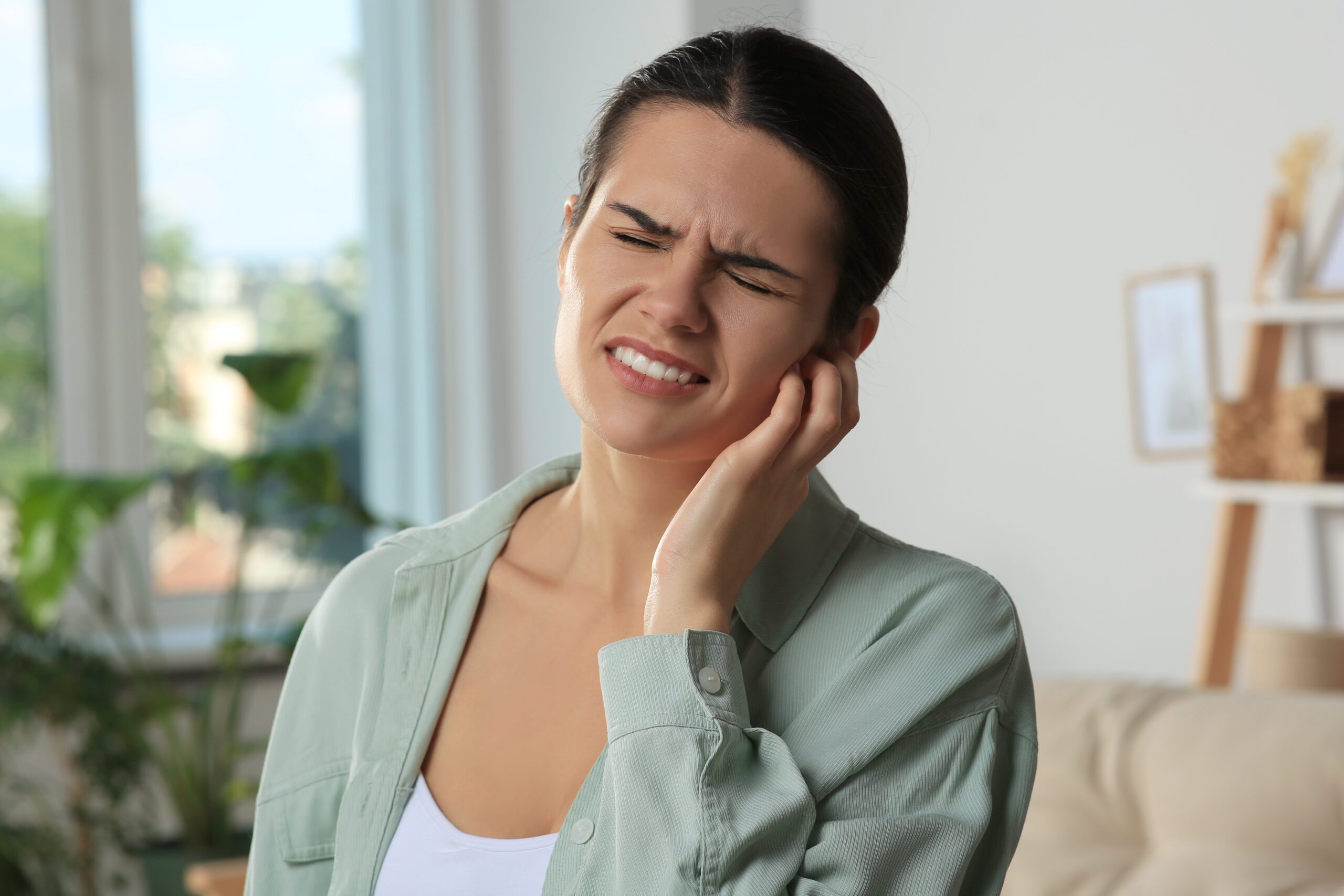
Most people do not think twice about their jaw until something starts to feel off. Maybe you notice clicking when you chew, stiffness when you wake up, or a strange tightness that comes and goes. At first, it is easy to brush off. But those subtle changes can be early warning signs of TMJ dysfunction, and catching them early can make a huge difference in preventing long-term discomfort.
The truth is, TMJ symptoms often begin quietly. A jaw that pops occasionally or feels tired after talking might not seem like a big deal, but these small signals can be the first clues that your jaw joint is under strain.
At Novi Sleep & TMJ, we help patients recognize TMJ issues early and treat them before they turn into chronic jaw pain, headaches, or ongoing facial discomfort. Here is how to tell the difference between a normal jaw and one that may be developing a TMJ disorder.
What Is TMJ and Why Does It Matter?
TMJ stands for temporomandibular joint, the joint that connects your jawbone to your skull. You have one on each side of your face, right in front of your ears. These joints work with muscles, ligaments, and cartilage to allow smooth movements like chewing, speaking, yawning, and swallowing.
When everything is functioning properly, the jaw moves comfortably and quietly. But when something interferes with the joint’s mechanics, it can lead to TMD (temporomandibular disorder), which is a condition that affects the jaw joint and surrounding muscles.
TMJ disorders are common, and they are often linked to:
- Teeth grinding or clenching
- Poor bite alignment
- Stress-related jaw tension
- Injury or trauma
- Arthritis in the joint
- Muscle imbalances in the face and neck
The key is recognizing the signs early.
What a Normal, Healthy Jaw Should Feel Like
A normal jaw should function smoothly without calling attention to itself. Healthy jaw movement typically includes:
Smooth Opening and Closing
Your jaw should open and close in a straight line without shifting side-to-side.
Quiet Movement
A healthy TMJ should not pop, click, grind, or crack regularly.
No Pain or Tension
There should be no soreness in the jaw joint, face muscles, or temples during daily activities.
Full Range of Motion
You should be able to open your mouth wide enough to comfortably eat, yawn, or brush your teeth without tightness.
Even Bite Pressure
Your teeth should meet evenly without one side feeling heavier or more strained.
If your jaw is working like this, you are likely experiencing normal jaw function.
TMJ vs Normal Jaw: Early Signs Something Is Off
TMJ dysfunction rarely starts with severe pain. It usually begins with mild symptoms that come and go, which is why so many people ignore it.
Here are the most common early differences between TMJ issues and a healthy jaw.
Difference #1: Clicking or Popping Sounds
Normal Jaw
A normal jaw may click once in a great while, but it is not a regular occurrence.
TMJ Dysfunction
Frequent jaw clicking or popping is one of the earliest signs that the disc inside the joint is not moving properly. It may be slipping out of place and snapping back into position.
If your jaw clicks every time you chew or yawn, it is worth having evaluated, even if it does not hurt yet.
Difference #2: Jaw Stiffness in the Morning
Normal Jaw
You should wake up without jaw tightness or soreness.
TMJ Dysfunction
Morning jaw stiffness often points to nighttime clenching or grinding, which puts constant strain on the TMJ and surrounding muscles. Many patients with TMJ issues do not realize they grind until symptoms begin.
If your jaw feels tired or tight when you wake up, it is a major warning sign.
Difference #3: Headaches That Start Near the Temples
Normal Jaw
Occasional headaches happen for many reasons, but they should not be tied to chewing or jaw movement.
TMJ Dysfunction
TMJ-related headaches are often caused by muscle tension in the jaw and face. They frequently show up as:
- Temple headaches
- Pressure behind the eyes
- Pain that feels like a tension headache
- Headaches after chewing or talking
These headaches are often mistaken for stress headaches, sinus issues, or even migraines.
Difference #4: Pain When Chewing (Even Mild)
Normal Jaw
Chewing should feel natural and effortless.
TMJ Dysfunction
If chewing feels uncomfortable, tiring, or painful, it may mean the jaw muscles are overworking to compensate for joint imbalance. Some people notice it only when eating tougher foods like steak, bagels, or chewy candy.
This symptom often worsens over time if the underlying issue is not treated.
Difference #5: Jaw Locking or Getting Stuck
Normal Jaw
Your jaw should not lock open or closed.
TMJ Dysfunction
Jaw locking is a more advanced sign that the joint disc is not functioning properly. It may feel like:
- Your jaw catches when you open
- Your jaw gets stuck mid-yawn
- You have to move your jaw to “reset” it
Even if it happens only once or twice, it is not something to ignore.
Difference #6: Ear Symptoms Without an Ear Infection
Normal Jaw
Your ears should not feel full or sore without a clear cause.
TMJ Dysfunction
Because the TMJ is located close to the ear canal, dysfunction can create symptoms that feel like an ear problem, including:
- Ear pressure
- Ringing in the ears (tinnitus)
- Ear pain
- A clogged sensation
Many patients get treated for ear infections repeatedly before learning the jaw joint is the real cause.
Difference #7: Facial Soreness or Muscle Fatigue
Normal Jaw
Your face should not feel sore from normal daily use.
TMJ Dysfunction
TMJ-related muscle tension can cause soreness in areas like:
- Jawline
- Cheeks
- Neck
- Shoulders
- Under the chin
Some patients describe it as a tired, heavy feeling in the face.
Why TMJ Symptoms Often Get Worse Over Time
One of the most important things to understand about TMJ disorders is that they can become progressive. Early symptoms like clicking and stiffness may seem harmless, but untreated TMJ dysfunction can lead to:
- Chronic jaw pain
- Worsening headaches
- Tooth wear from grinding
- Limited jaw movement
- Bite changes over time
- Increased inflammation in the joint
The longer the joint is strained, the harder it can be to reverse the damage. That is why early awareness is so important.
What Causes TMJ Dysfunction in the First Place?
TMJ issues often have multiple contributing factors. Common causes include:
Teeth Grinding and Clenching
This is one of the top triggers. It puts intense pressure on the jaw joint for hours at a time.
Stress and Tension
Stress often shows up physically through clenching, especially during sleep or while focusing.
Bite Imbalance
If the teeth do not align properly, the jaw joint can shift out of its ideal position.
Injury or Trauma
Car accidents, falls, or sports injuries can throw the jaw joint off balance.
Poor Posture
Forward head posture and neck strain can affect jaw alignment more than most people realize.
What You Can Do Early to Prevent TMJ Pain
If you notice early symptoms, the best approach is not to wait until the pain becomes constant. Preventive steps can help slow progression and protect the joint.
Pay Attention to Patterns
Does clicking happen daily? Does jaw tension show up after stressful days? Patterns matter.
Avoid Overworking the Jaw
Try limiting habits like:
- Chewing gum
- Nail biting
- Crunching ice
- Eating extremely hard or chewy foods
Use Heat or Gentle Stretching
Warm compresses and gentle jaw stretches can reduce muscle tightness temporarily.
Address Grinding Early
If you suspect grinding, a professional evaluation can help determine whether a custom oral appliance may help.
When to See a TMJ Specialist
You should schedule a TMJ evaluation if you notice:
- Clicking or popping that happens often
- Jaw tightness or soreness in the morning
- Headaches linked to jaw tension
- Pain when chewing
- Jaw locking or limited opening
- Ear pressure with no infection
Even mild symptoms are worth checking. TMJ problems are easier to treat early, before inflammation and strain become long-term.
Get Your Jaw Checked Before Symptoms Get Worse
A clicking jaw might not seem like a big deal today, but it can be an early sign of a developing TMJ disorder. The sooner you identify what is happening inside the joint, the easier it is to treat comfortably and conservatively.
At Novi Sleep & TMJ, we specialize in diagnosing TMJ dysfunction and helping patients find relief before chronic pain takes over.
Schedule a TMJ Evaluation Today
If your jaw feels off, do not wait for it to become painful. Get your jaw checked by a TMJ specialist before symptoms worsen, and take control of your comfort and long-term health.

